Phuket Old Town
Sino-Portuguese shophouses, street art, lantern-lit lanes, and the best street food on the island.
Where Phuket's history lives
Phuket Old Town — known locally as Mueang Phuket — grew rich on the tin-mining boom of the 19th century. Chinese merchants from Penang and Malacca built their trading houses in a hybrid style that blended Hokkien Chinese architecture with Portuguese colonial details: five-foot covered walkways, ornate window shutters, and pastel-washed facades that glow gold in the afternoon light.
Today the Old Town is a living neighbourhood — residents still live above the shophouses, shrines still operate, and the Sunday Walking Street market draws both tourists and locals every week. It is one of the few places in Thailand where you can feel the layered history of Chinese migration, colonial trade, and modern Thai life all at once.
What to see & do
Sino-Portuguese shophouses
The signature pastel-coloured shophouses were built in the late 1800s by Chinese merchants using a Portuguese colonial style brought from Penang and Malacca. Thalang Road and Dibuk Road have the best-preserved examples.
Street art
The Old Town is home to dozens of murals and iron sculpture installations. The most famous — the boy on a bicycle — is on Thalang Road. A self-guided street art walk takes about 90 minutes.
Sunday Walking Street
Every Sunday evening, Thalang Road closes to traffic and fills with local food stalls, craft vendors, and live music. Starts at 4 pm, best between 5–8 pm. Arrive early for the best street food choices.
Street food & local coffee
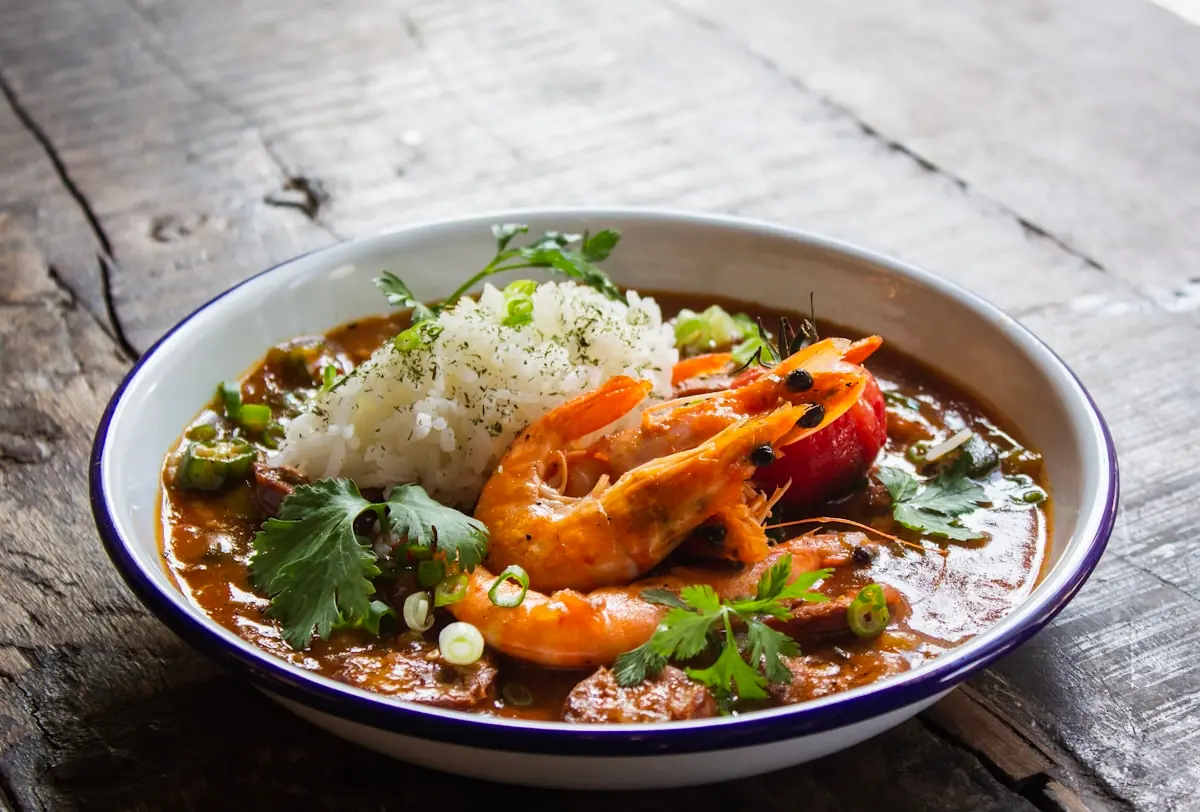
Phuket has its own cuisine — Hokkien-influenced dishes like mee sua, o-tao (oyster omelette), and Phuket-style pad thai. The Kopitiam cafés on Thalang Road serve traditional Hainanese kopi (coffee) alongside local breakfasts.
Chinese Shrines
The Old Town has several active Chinese shrines, the most impressive being Jui Tui Shrine on Ranong Road. During the Phuket Vegetarian Festival (October), these shrines become the centre of colourful street processions.
Museums & heritage
The Thai Hua Museum (former Chinese school) tells the story of Phuket's Baba-Nyonya heritage through photographs and artefacts. Phuket Mining Museum and the Chinpracha House (a 1903 mansion) are also worth a visit.
Montree's tips
- Go in the evening. The Old Town is magical after 5 pm when the light softens and the shophouses glow. The Sunday market starts at 4 pm.
- Walk Thalang Road end to end. This is the heart of the Old Town — street art, shrines, coffee shops, and the best photo spots are all on or just off this road.
- Try Kopitiam coffee. Order a traditional kopi (strong, condensed milk) at one of the old Hainanese cafés. Completely different from modern coffee shop culture.
- Combine with Kata or Karon Beach. The Old Town is on the east side of Phuket — on the way back, drop by Kata Noi for a quick evening swim.
- Avoid midday. The narrow shophouse lanes offer shade, but the heat between 11 am–3 pm is intense. Visit early morning or late afternoon.
Stay 30 minutes away in Bangtao
Both holiday homes are an easy 30-minute drive from Phuket Old Town. Book direct with Superhost Montree.